How Paid Social Media Agencies Deliver Better Results Than Traditional Media Buyers

Paid social media agencies consistently outperform traditional media buyers because they start with attention rather than targeting. Instead of defining audiences first and building creative around them, social-first agencies lead with what the audience is actually paying attention to — using that insight to drive both creative and distribution. The result is stronger CTR, lower CPA and better ROI.
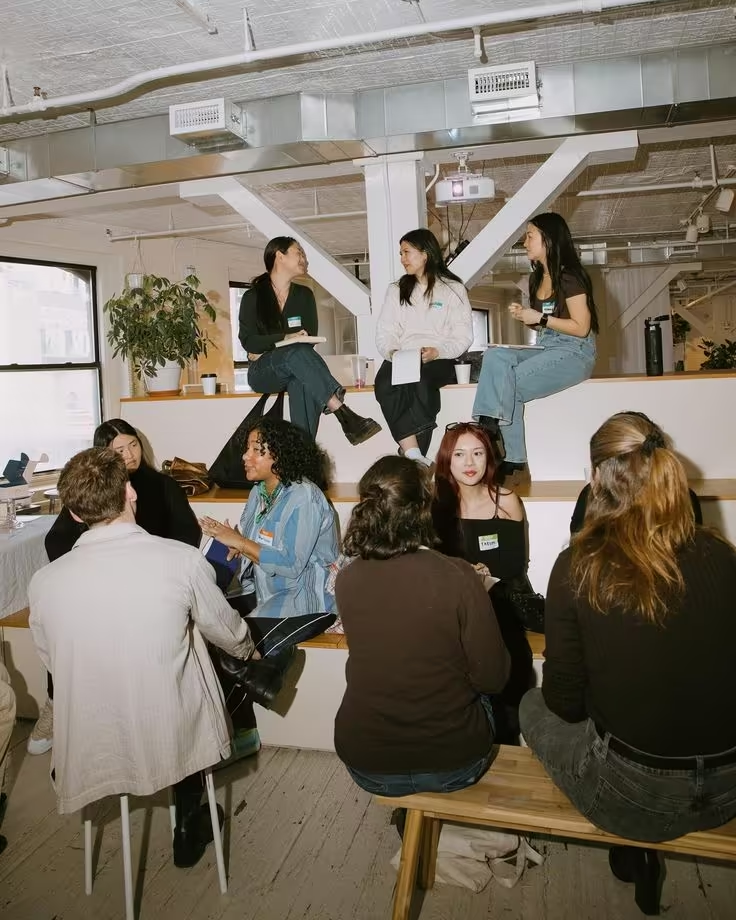
How social-first paid media agencies think about audience differently
Traditional media buying tends to start with targeting. Quite often, the media buying team will generate a spreadsheet that tracks demographics, interest categories, segments, and bid strategies. In this method, the audience is defined first, before a single piece of creative has been considered.
Social-first agencies work differently. The first question isn't who are we targeting, it's what is this audience actually paying attention to right now — and why are they choosing to engage with it?
In our experience, the social media campaigns that start with attention rather than targeting consistently outperform the ones that don't.
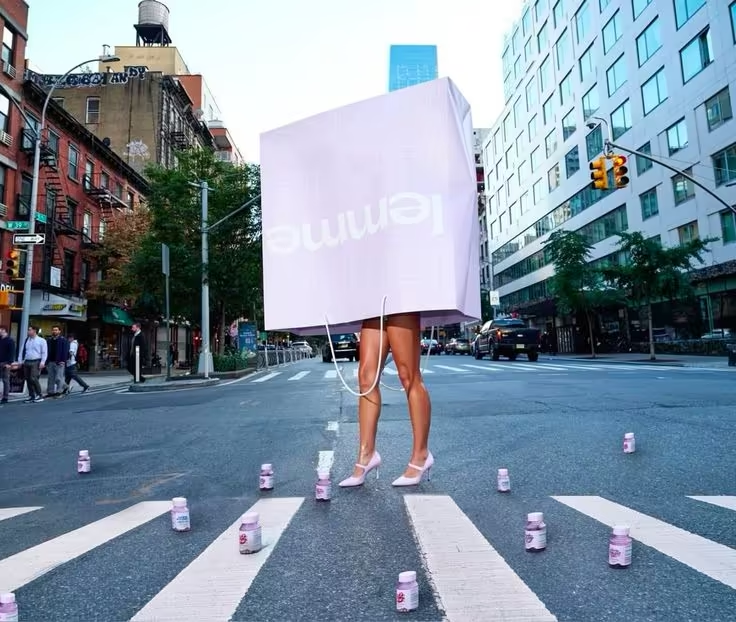
Why creative is the real targeting lever in paid social
On social platforms, the algorithm handles distribution. What the algorithm can't do is make the content worth watching — that's entirely down to the creative.
In paid social, creative is the primary driver of who sees and engages with your content. In Noise Media's work with VOXI, UGC creative delivered 124% higher CTR than standard formats. The difference came from the creative itself, and not the audience setup.
What we always find is that the right content finds its audience. Conversely, the wrong content struggles, no matter how well it's targeted.

How the best social media agencies use organic content in paid social campaigns
One of the most consistently missed opportunities in paid social is ignoring what already works organically. Content that has already earned attention is the strongest possible starting point for a paid campaign.
For Intro Travel, raw tour leader footage was turned into paid creative across TikTok and Meta, driving over 500,000 site clicks and an 89% increase in purchases.
It worked because it already had traction — paid media accelerated performance rather than manufactured it.
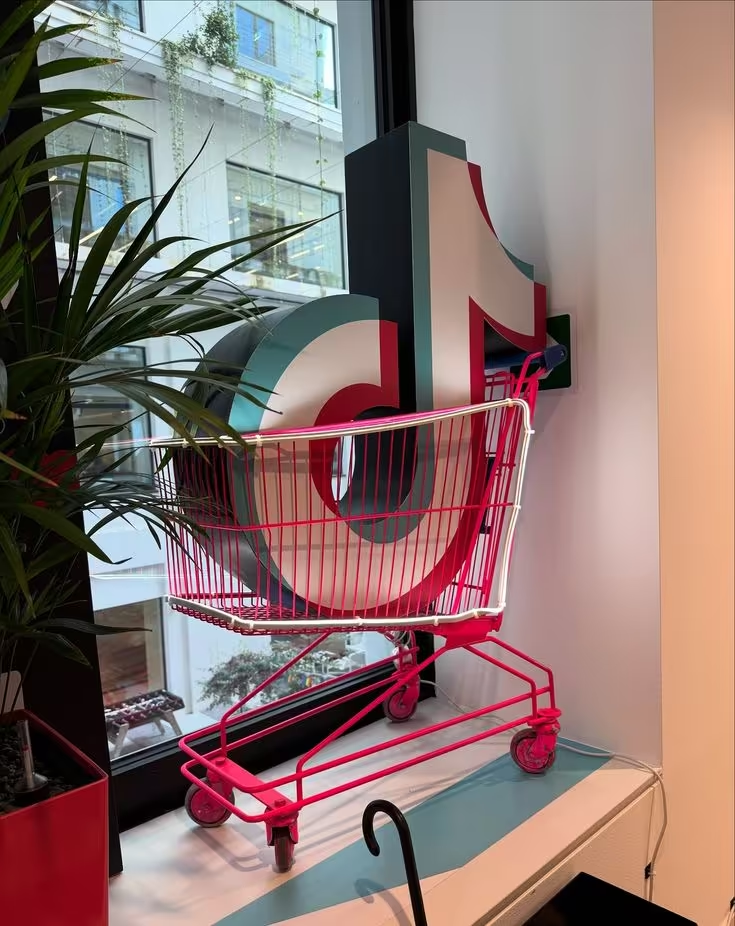
Building a full-funnel paid social strategy across TikTok, Meta and Google
Most brands simply run campaigns. But the ones that scale successfully run systems.
A full-funnel paid social system is awareness, consideration and conversion working together across platforms. Each stage does a distinct job rather than competing for the same outcome.
For Jiffy, that meant evolving from a basic Google setup into a full multi-market funnel across paid search, Meta and TikTok. The result was a 470% increase in PPC conversions and a 1,596% increase in Performance Max conversions.
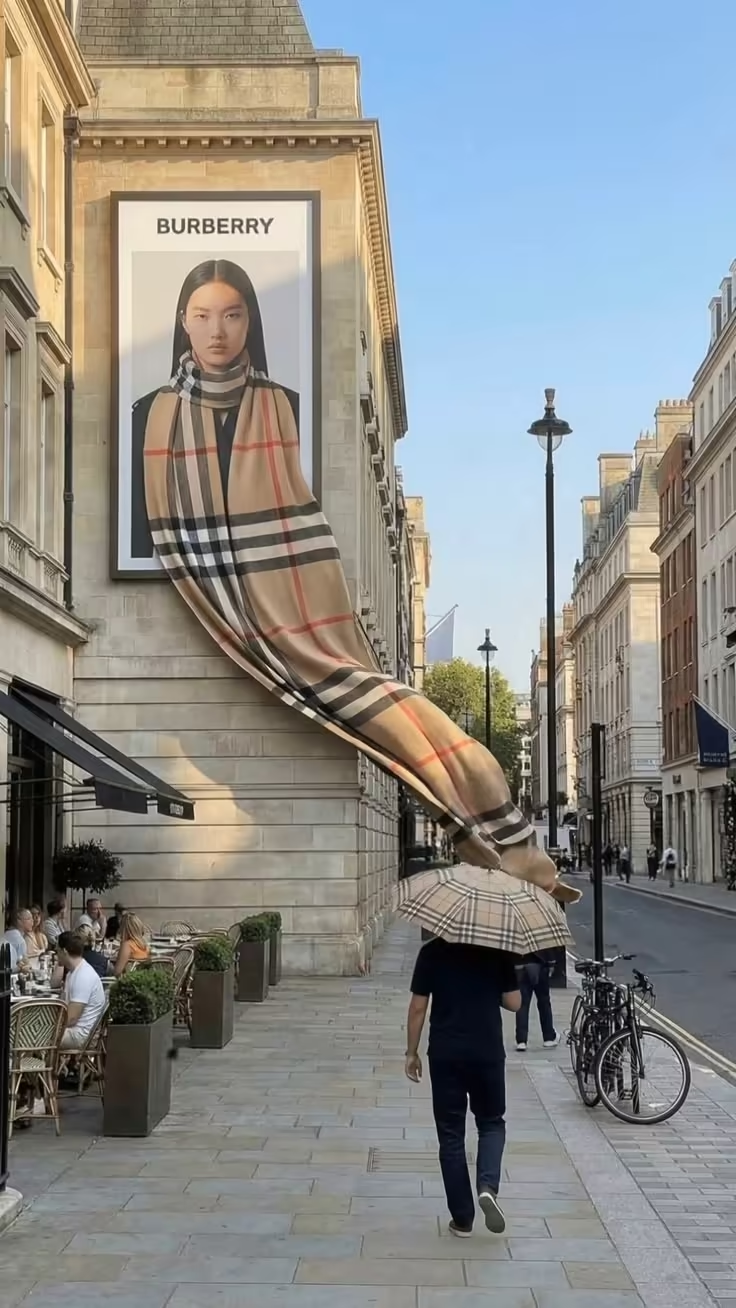
How OOH advertising amplifies paid social performance
Some of the most effective social-first campaigns don't start on a screen at all. OOH advertising creates cultural visibility that paid social can amplify and convert.
For TaskRabbit, OOH across seven European markets drove a 370% increase in branded search when supported by paid social.
For Aspora, hyper-local OOH targeting NRI audiences led to a 2x uplift in organic search alongside social results.
People encounter something in the real world and act on it digitally — paid social captures and builds on that intent.
Measuring paid social ROI beyond impressions and engagement
Impressions and engagement are easy to report. They're also only part of the picture. Paid social ROI should be measured through revenue, CPA and business growth.
For Davines, that meant a 50% increase in Google conversions, 67% more Meta purchases without increasing spend and 53% revenue growth across three markets.
For BrandYour, it meant a 258% year-on-year revenue increase while scaling from the UK to New York.
Paid social has moved beyond traditional media buying. It now sits at the intersection of creative, strategy and distribution — and getting that combination right requires a fundamentally different kind of agency.
Noise Media Group is a social-first agency that connects creative, paid media and strategy to deliver measurable business growth.
Ready to make noise?
We're the agency challenger brands call when growth is non-negotiable.