Social Media Trends March 2026: What Brands Need to Know
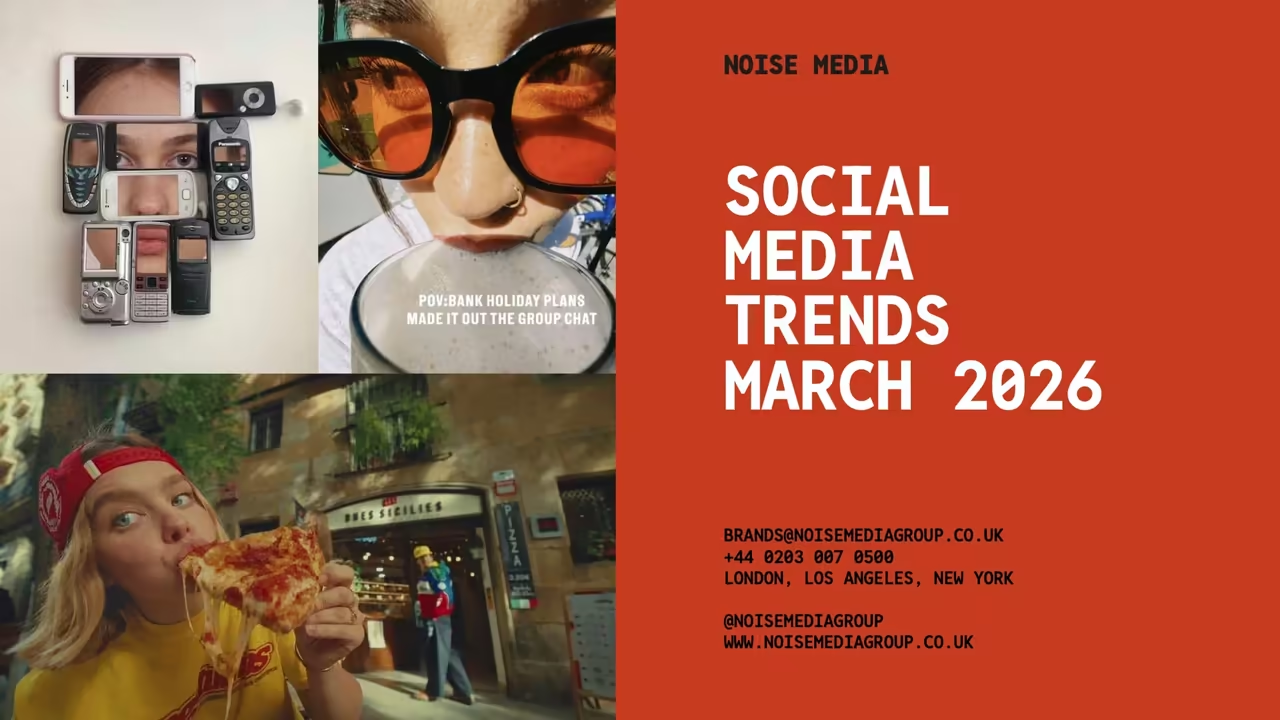
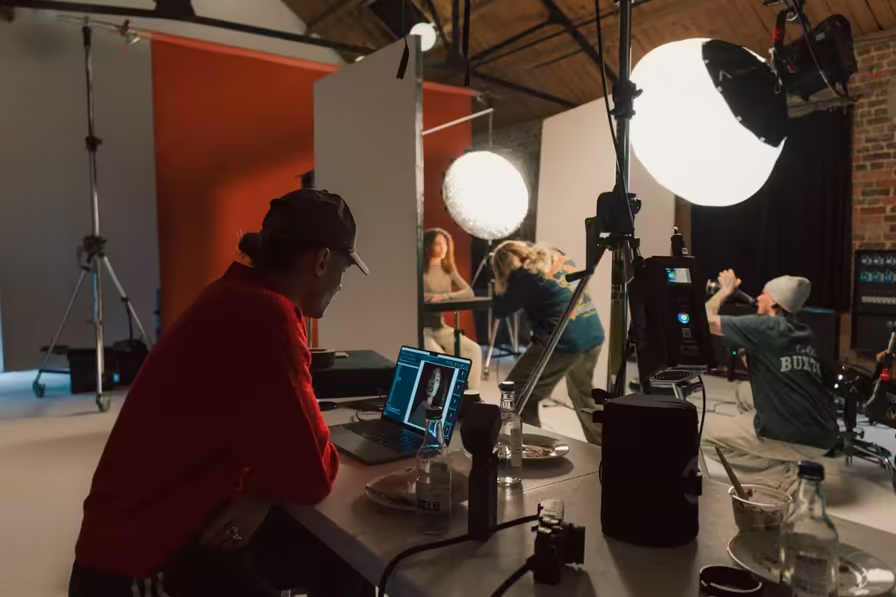
The work we delivered for clients this month had one thing in common: creativity that felt native to the platform and the moment consistently outperformed creative that didn't. Whether that was trend-led content for Jiffy, a CCTV-inspired hook for Thortful or an on-site shoot for Amano, the results were clear. On the platforms, AI kept tightening its grip. Meta cleaned up its performance data, Instagram moved closer to in-video shopping, and YouTube made creator discovery smarter with Gemini. The shift from SEO to GEO is no longer coming. It's already here. The brands winning in the industry right now are the ones with a point of view. M&S, Refy and Aerie all proved it this month. The collabs that landed shared the same quality: earned, not engineered. Here's everything we saw in March, what it means for your brand, and what we're predicting for April.
Key Platform Updates
Across TikTok, Instagram, Facebook and YouTube, the biggest shifts this month weren't cosmetic. They were about control, discoverability and AI, and they have real implications for how brands show up.
TikTok officially rolled out its #BookTok bestseller charts across the UK and Europe, cementing its position as a major cultural discovery engine beyond music and fashion. The platform is also testing a new micro-drama feed — short, serialised story content that plays into audiences' appetite for episodic, bingeable formats.
Instagram gave users the ability to re-order carousel posts after they've already been published — a small but meaningful update for brands managing content quality. The platform is also testing an AI-powered 'Shop the Look' feature on Reels, which automatically identifies and surfaces shoppable products within video content. If it rolls out widely, it will significantly reduce the friction between discovery and purchase.
Meta is upgrading its shopping experience across both Facebook and Instagram, leaning heavily into AI to improve product recommendations and purchase flows. The platform also launched Friend Bubbles — a feature that surfaces Reels that people in your network have liked or reacted to, adding a social layer to content discovery that pushes relevant video in front of new audiences.
YouTube launched Gemini-powered creator partnerships, using AI matching to connect brands with the right creators based on audience data, content performance and brand fit. This is a significant step toward making influencer discovery faster and more data-led, and a signal that AI is embedding itself into every stage of the creator marketing workflow.
Industry Insights

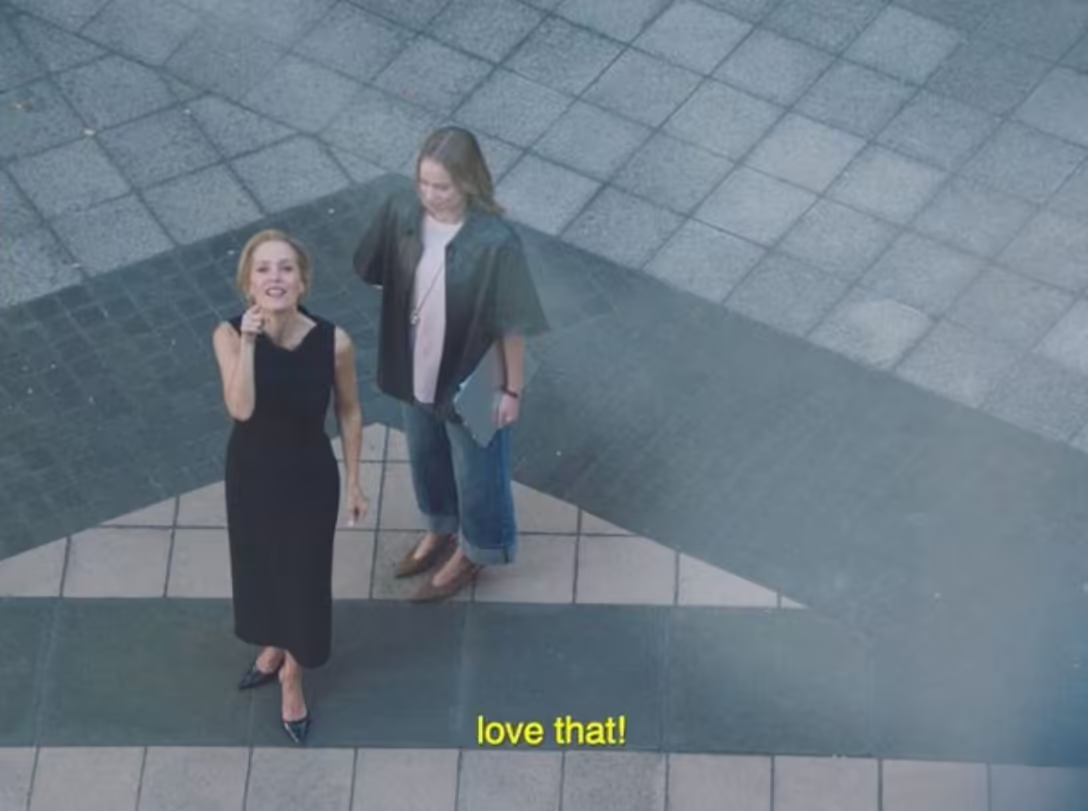
M&S 'Love That' ft. Gillian Anderson
Marks & Spencer's latest campaign is a masterclass in emotion-led storytelling. Rather than leading with product, M&S built the campaign around feeling — fronted by Gillian Anderson in a way that felt genuinely considered, not just celebrity casting. The results were stronger emotional connection and a sharper, more modern brand perception.
What made it work: the campaign leaned into cinematic, lifestyle-driven content over direct selling. It combined slow, aesthetic storytelling with subtle product presence, reinforced a sense of individuality and personal taste — 'Love That' as a mindset, not a message — and kept the tone confident, warm and aspirational throughout.
March Predict: Collaborations that feel cultural, not commercial, will continue to outperform traditional endorsement-style campaigns.
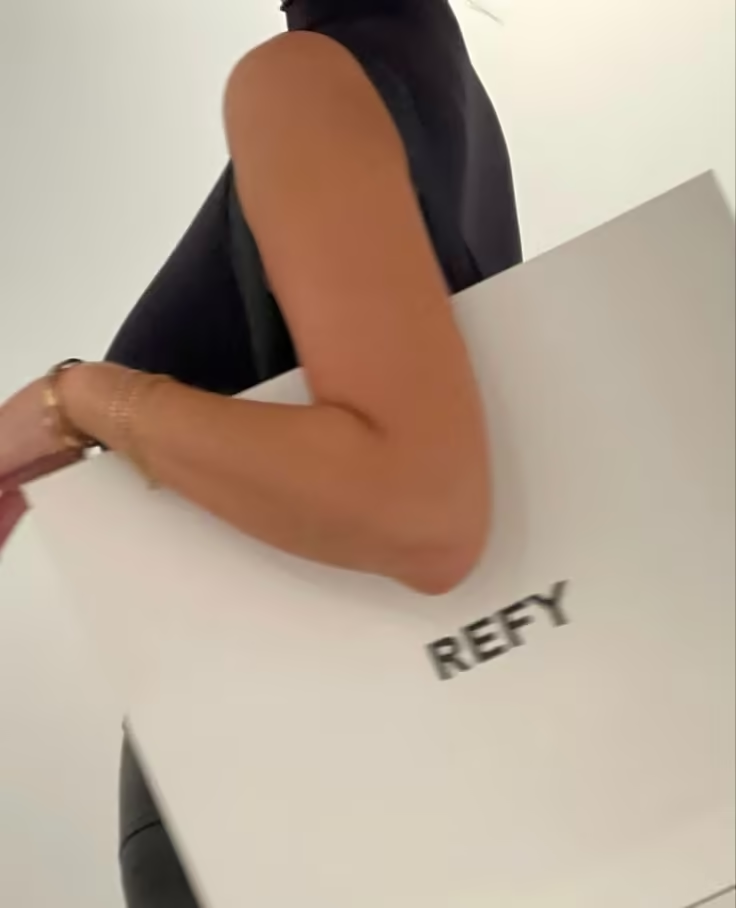
Refy — Not Confirming Content
Refy took a deliberate step back this month, leaning into a raw, unpolished content approach and choosing not to over-direct or over-confirm creator output. The result was content that cut through ad fatigue and performed more like organic posts than traditional campaigns — stronger engagement, more natural integration into feeds, and a meaningfully higher level of trust with audiences.
It's a strategy that requires confidence in your creative partners and a willingness to let go of control. But when it works, as it did for Refy, it works in a way that polished, approved-to-death content simply can't.
March Predict: The brands willing to think outside the brief will keep winning attention.
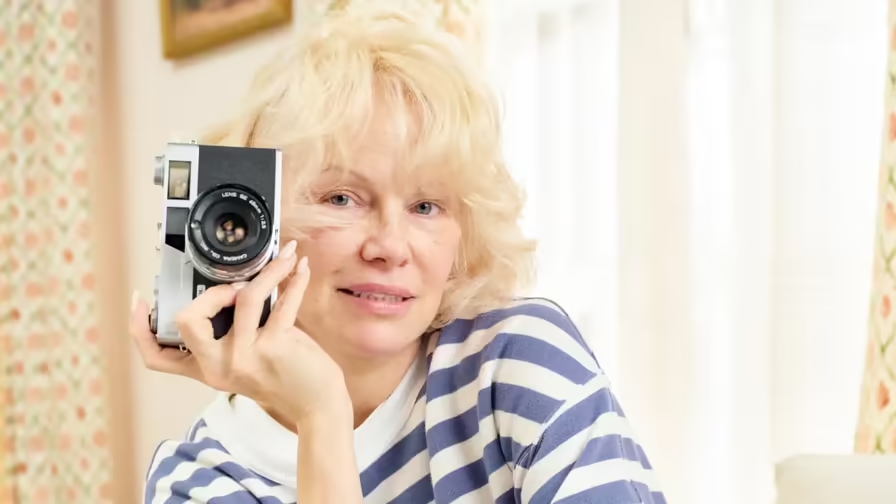
Pamela Anderson x Aerie — '100% Aerie Real' Campaign
Aerie partnered with Pamela Anderson — known for going makeup-free and rejecting retouching — to make an explicit stand against AI-generated imagery and celebrate real bodies. The campaign tapped directly into the wider anti-AI, anti-polish trend gaining momentum across fashion and beauty. Results included a double-digit lift in brand awareness and consistent social engagement since rollout.
The takeaway for brands: AI is a tool, not a replacement. Use it to streamline workflows and ideation, but keep the human element front and centre when it comes to brand storytelling and representation.
March Predict: Brands taking a public position on authenticity will define the next wave of consumer trust.
Meta Performance Shift: Cleaner Data, Shorter Attention
Meta made two significant changes to how performance is measured and understood this month. First, 'link clicks' now means only real clicks — likes, comments and profile taps no longer count. That means reported click numbers may look lower, but the data is more reliable and easier to compare across platforms.
Second, the engaged view threshold on video dropped from 10 seconds to 5 seconds — and 46% of Reels-driven purchases now happen within the first two seconds of a video. The implication is clear: attention spans are shrinking, and creative needs to hook instantly.
The brands winning on Meta right now are the ones treating creative as the performance driver — using creators who can grab attention fast, build trust quickly, and drive conversions through storytelling rather than product features.
Current Trends
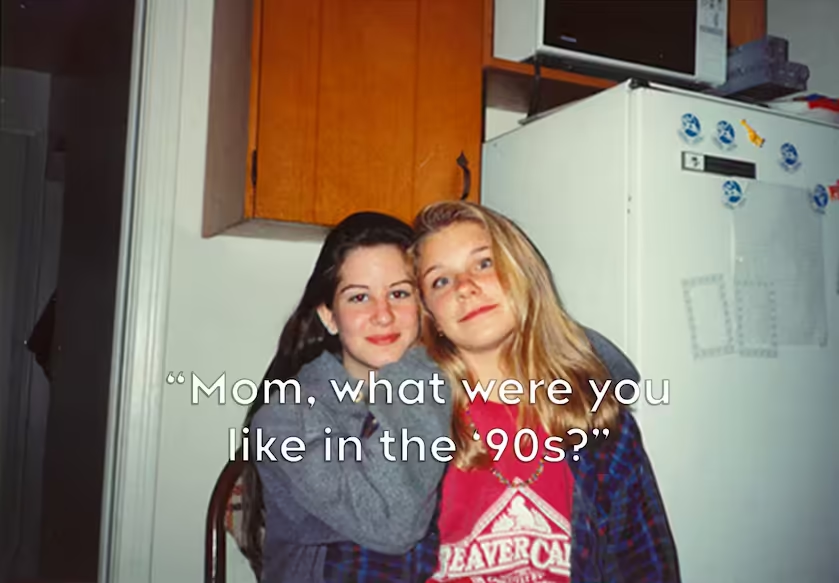
'Mum, What Were You Like in the 90s?'
Nostalgia content continued to dominate this month, with brands leaning into the 'Mum, what were you like in the 90s?' trend to tap into intergenerational storytelling. The hook works because it's personal, familiar and slightly self-aware, and brands that used it well anchored it naturally to their product or story rather than forcing the format.

Bridgerton Dance
The Bridgerton dance trend picked up serious momentum in March, spreading well beyond fashion and entertainment into retail, hospitality and service brands. It's a trend that rewards personality. The brands that leaned into it with genuine playfulness outperformed those that treated it as a box to tick.

Follow That Tune
Audio-led content continued to grow in influence, with the 'Follow That Tune' format giving brands a creative way to connect product moments to cultural sounds. It rewards brands that are listening to the platform — not just posting at it.
Tap Any Reel
A format built around Instagram's carousel-within-Reel functionality, encouraging viewers to interact with content rather than passively watch it. Engagement rates on content using this mechanic were notably higher — reinforcing the broader trend toward interactive, user-directed formats.

Landscape Split Screen
The landscape split-screen format made a strong showing in March, with creators using it to juxtapose two contrasting moments or perspectives in a single frame. It's a format that works because it slows the viewer down, and in a feed built for speed, that pause is powerful.
Brand Collaborations Worth Studying
Crocs x LEGO
A collision of two iconic brands, both known for their devoted communities and their willingness to be playful. The Crocs x LEGO collaboration leaned fully into the absurdity of the combination, and that commitment is exactly what made it work. It didn't take itself seriously, and neither did the audience.
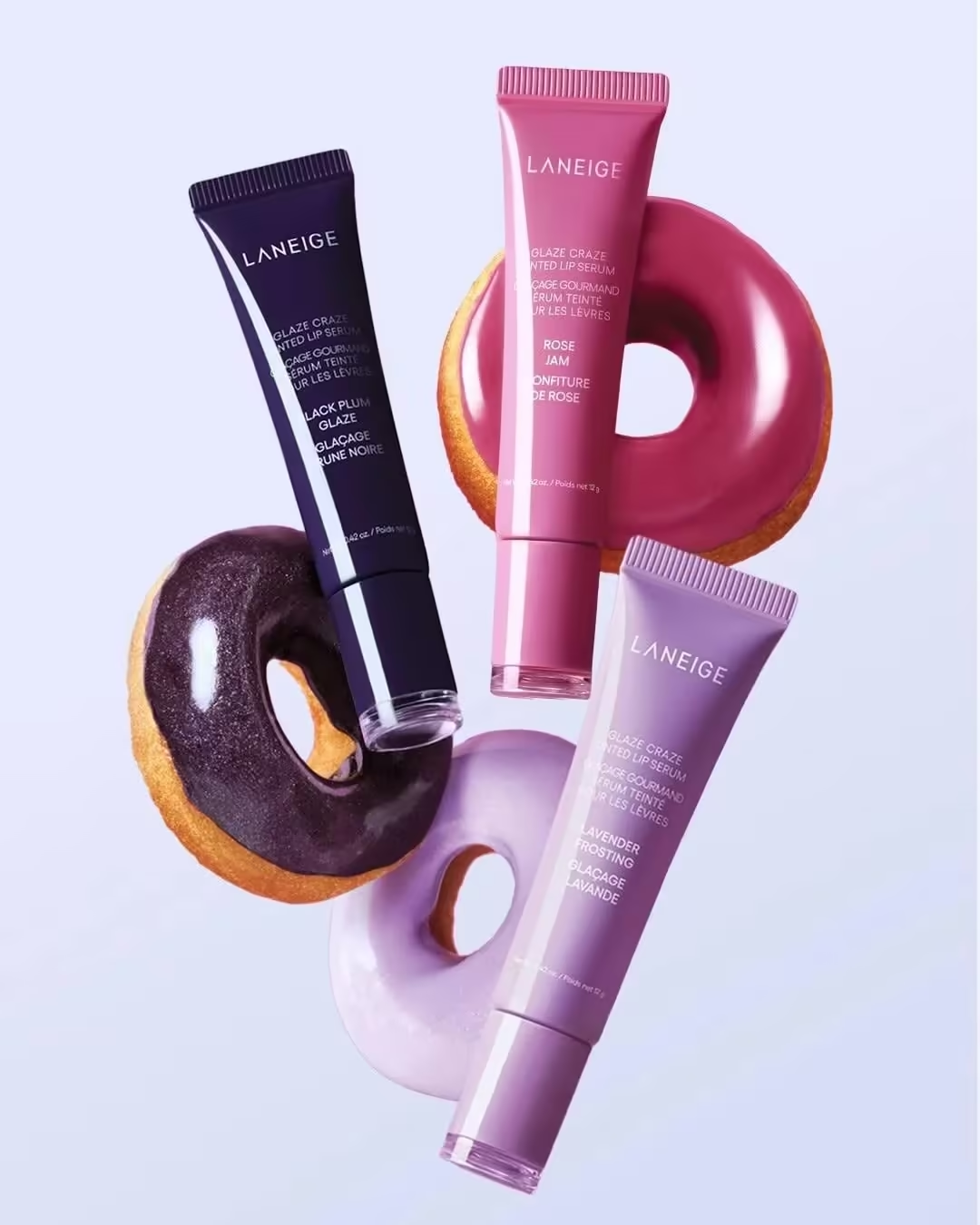
Laneige x Dough Doughnuts
A sharp piece of experiential brand marketing, pairing Laneige's lip care products with a doughnut brand in a way that felt genuinely fun rather than contrived. The visual connection between the brand's glaze-finish products and the literal glaze on the doughnuts was smart, shareable and on-trend — exactly the kind of collab that earns organic reach.
TALA x Kiss the Hippo
Two brands with strong community followings and a shared values base around sustainability and considered consumption. The TALA x Kiss the Hippo collaboration felt earned rather than engineered, which is what made it resonate. When brand partnerships reflect a genuine shared audience, the content doesn't need to work as hard.

Levi's x 194
A collaboration rooted in culture rather than commerce — the kind of brand partnership that earns its place in the feed because it has something to say. Levi's continues to show that its strongest brand moves come when it leans into identity and community over product push.
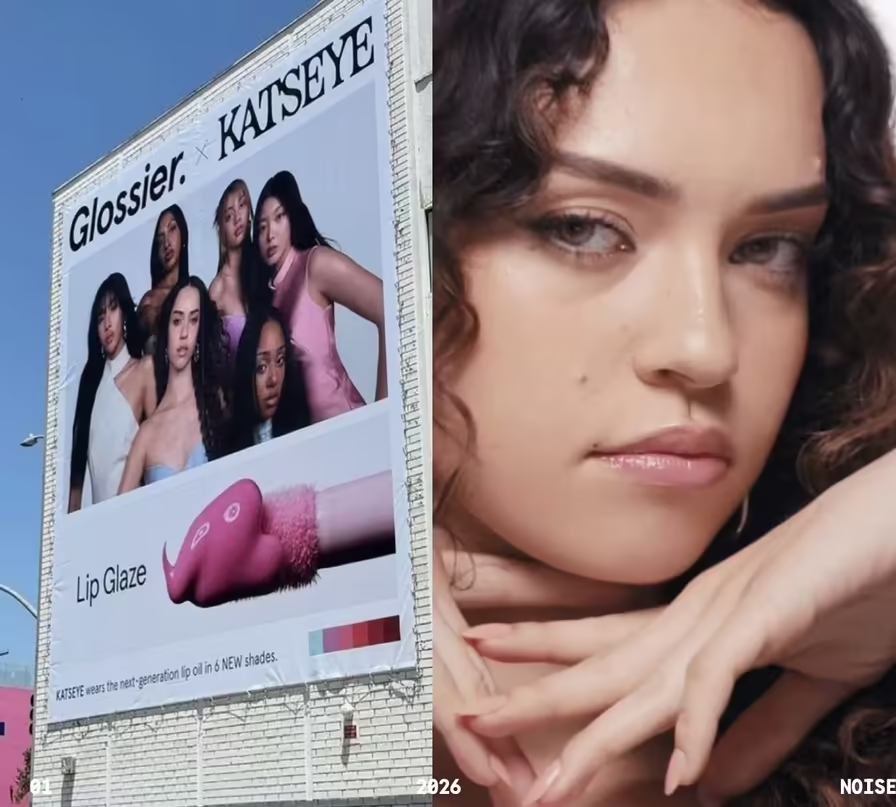
Glossier x Katseye
Glossier's partnership with pop group Katseye brought the brand into direct contact with a younger, highly engaged fanbase. The content was authentic to both sides of the collaboration. It felt like Katseye genuinely used the products, not like they'd been handed a brief. That authenticity translated directly into performance.
AI Updates
AI is no longer a trend in social media marketing. It's infrastructure. Here's what's changing right now and what it means for how brands plan, create and buy media.
Shifting from SEO to GEO: The goal is no longer ranking on a search results page. It's getting cited, referenced and recommended by AI systems — ChatGPT, Perplexity, Google AI Overviews. Google's AI Overviews now serves over one billion users, while ChatGPT, Copilot and Perplexity bypass traditional search results entirely. Success is no longer measured by page rank. It's measured by whether AI systems surface your content as a source. This isn't a future trend. It's already reshaping how brands get discovered. SEO isn't dead, but it's not enough on its own anymore. Clients need content strategies built for AI discoverability. If your content isn't structured for AI to cite, you're invisible to a growing share of searchers.
How AI is shaping campaigns across Meta, Google, TikTok and LinkedIn: AI is now embedded into every layer of how campaigns are built, delivered and optimised. Meta uses machine learning to analyse behaviour and build audiences automatically. Google's AI centres on intent — understanding what users actually want, not just what they type. TikTok's strength is in content — its algorithm is the best in the world at matching video to viewer. LinkedIn targets by profession — using AI to reach specific roles, industries and seniority levels. AI is raising the ceiling on what paid media can achieve. Brands that understand how each platform uses it and build their creative and strategy around those capabilities will get significantly more from their ad spend.

YouTube Gemini Creator Partnerships
YouTube's ambition is to become the go-to operating system for creator marketing, not just a place where it occasionally happens. The core change is in discovery: advertisers can now use natural language queries to find creators. Rather than keyword searches, you can prompt the tool to describe exactly what you're looking for, and Gemini surfaces matches alongside channel insights, audience data and sample content. This replaces the manual, keyword-based searches that have historically made influencer discovery slow and resource-intensive.
A unified measurement feature also brings paid and organic content data together, giving brands a cleaner read on what their creator investments are actually delivering. The brands that move quickly to understand these tools will be able to find, brief and measure creator partnerships faster and at greater scale than ever before.

Predictions for April
The Comment Section Becomes a Conversion Engine: Purchase decisions are increasingly happening in comment sections, not just in ads. Brands that are actively managing and seeding their comment sections — not just posting and walking away — will start to see the difference in conversion. The comment section is the new product page.
Anti-AI Backlash Accelerates: Audiences are getting faster at spotting over-produced AI content, and quicker to reject it. The brands that double down on raw, human storytelling in April will cut through. The ones still over-relying on AI-generated creative will find their engagement rates telling them something important.
Brands Take Public Positions on AI and Authenticity: Following the lead of campaigns like Aerie's '100% Real' push, more brands will start making their position on AI and authenticity explicit — not just through the content they make, but as a stated brand value. Those public positions will increasingly shape consumer trust and preference.
Under-Leveraged Platforms Gain Traction: Reddit and Substack are developing real commerce and discovery traction, with new ad formats that bridge community recommendations and purchase intent. Brands should start thinking beyond Meta and TikTok — the audiences on these platforms are highly engaged, highly specific and largely uncontested.
April Fools Campaigns Done Right: The brands that win April Fools in 2026 won't just be funny — they'll be purposeful. Playful, surprise-driven campaigns that reinforce a brand's identity rather than distract from it. The best ones will feel like they could only have come from that specific brand.
Want the full breakdown? Download our March Social Media Marketing Trends 2026 Whitepaper Deck to explore every insight, example and shift shaping the year ahead.
Ready to make noise?
We're the agency challenger brands call when growth is non-negotiable.