Social Media Trends July 2026: What Brands Need to Know
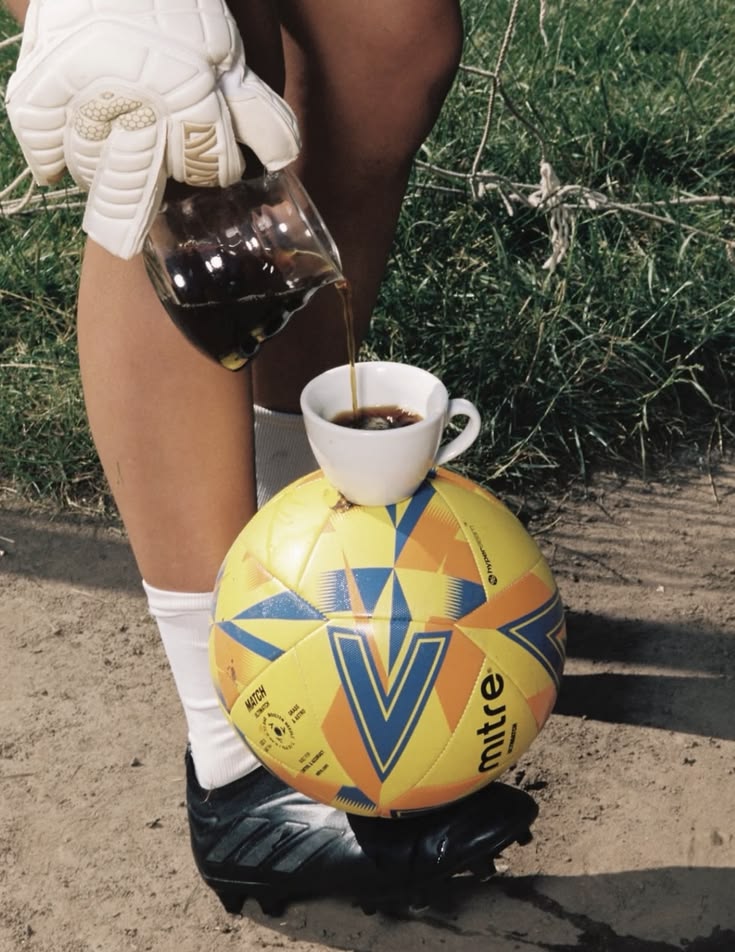
July belonged to the World Cup, and to brands that found distinctive ways to join the conversation.
Lay's turned a campaign into a WhatsApp group chat. Aldi taped over its butter. Platforms opened their doors to AI agents, and the price of "just put it on Meta" kept climbing.
The brands that won July found the gaps around the biggest moment of the year.
Here's what shaped social media marketing in July 2026, and what to act on in August.
The Platform Updates Reshaping Social Media in July 2026
July's platform changes point one way. The platforms want to do the work for you: script it, schedule it, build it, then sell it back to you as an ad format.
On TikTok: Mini Dramas launched alongside new ad tools built for episodic brand storytelling. Streaming Ads connect content discovery directly to streaming platforms, so a clip can now end in a watchlist instead of a scroll. Agentic Hub brings AI tools into campaign workflows.
On Instagram: The Reels camera now has a built-in teleprompter, removing the need for third-party apps. New controls in testing let users personalise their own recommendations. Meta also launched Muse Image, an AI tool that generates content from public Instagram images. Meta also continued testing Series, which groups related Reels into episodic collections.
On Facebook: A new Content Planner arrived with a calendar view and bulk Reels uploads.
On YouTube: Studio was redesigned with sharper performance insights for creators.
The teleprompter is the tell. Instagram is removing a step between a person and a talking-head video, because talking heads hold attention. Meanwhile, users are being handed the controls to their own feed. If people can tune you out with a toggle, reach becomes something you have to keep earning.
How Social Media Audiences Are Laughing at the Chaos
Nobody's pretending it's fine any more. They're turning the small disasters into jokes.
The Saxophones Getting Louder format uses the sound as shorthand for something going badly wrong. People lay it over everything from career wobbles to a dinner turning the wrong colour. It's been building since spring and kept climbing through July, turning ironic as the stakes got smaller. People aren't laughing at the saxophone. They're laughing at composure under pressure.
"I can't today, I have therapy" hits the same nerve from the other side. The caption sets up something serious, then reveals a shopping trip or a facial. It turns an indulgence into a joke about therapy, giving people permission to indulge without guilt.
"WTF is…" takes the deadpan route. An on-screen question about a trend cuts to footage proving you're the exact opposite. Your identity is defined by what you refuse.
Three formats. One mood. Audiences reward self-awareness over aspiration. Brands that can laugh at their own small disasters get let in on the joke. Brands that only copy the sound get the saxophone and miss the point.
How Creators Are Turning Everyday Life Into Content
The other half of July's feed went soft, warm and everyday.
The end credits of Spider-Man: Brand New Day used ordinary New York streets set to Steve Lacy's "Oh Yeah", and they became a template almost overnight. Creators are recutting their own neighbourhoods, holidays and commutes in the same warm style.
Timestamped Reels push the same instinct further: take a single photo or clip, check in every hour, and stitch the day together with the time on screen. The result feels unedited even when it isn't.
Both formats make the ordinary worth watching. That's a brief, not a trend. Brands with a physical place, such as a hotel, a shop or a high street, already own the setting. Film it like it matters.
How Brands Made the World Cup Work Beyond the Match
The final was on 19 July. The smartest work didn't need the biggest budgets.
Lay's made a WhatsApp watch party part of its global World Cup campaign. PepsiCo says the WhatsApp watch party featuring Messi, Beckham, Steve Carell, Alexia Putellas and Thierry Henry attracted more than 4 million participants globally. The wider campaign ran across 90 markets, according to Marketing Dive. The conversation became the media.
Aldi moved at meme speed. Ahead of England's quarter-final against Norway, Aldi temporarily covered the 'Nor' in its Nordpak packaging with England-themed tape. McCann Manchester turned it around in days across OOH, social and in-store screens while the fixture was still front of mind. National coverage for the price of some stickers.
Under Armour did the opposite and waited. Hotel Armouré landed after the tournament, when budgets were spent and football fatigue had set in. A hero film, social cutdowns and influencer content followed athletes recovering in a chaotic hotel. Ferran Torres, who scored the winning goal in Spain's 1-0 final win over Argentina, was among the athletes featured.
Three plays: go native, go fast or go late. None needed to outspend the biggest sports brands.
What Ran in Paid: The Rising Cost of "Just Put It on Meta"
In Q2 2026, Meta reported ad revenue of $59.4bn, up 27%, but the number that matters sits underneath: ad impressions rose 14% while the average price per ad rose 12% year on year.
Pinterest's Q2 2026 revenue rose 18% year on year.
Reddit's Q2 2026 ad revenue grew 64% to $762m. Reddit also reported that the number of advertisers using Reddit Max grew more than 60% from Q1 and Max revenue grew more than 150% over the same period. The base is small and the figures are company-reported. Even so, it's the clearest signal yet that AI-automated campaign products are converting spend, not just generating press releases.
Meta's average price per ad was 12% higher year on year in Q2 2026, a reason to keep testing where the next pound works hardest. Spreading spend across platforms isn't a hedge any more.
Dash Water showed what a challenger can do with concentration instead. DASH announced a July-long campaign across TV, digital, outdoor and commercial radio. DASH said the campaign was expected to deliver more than 203 million impacts and reach one in seven UK adults an average of 25 times. The brand also reported a 5.1-star System1 score among ABC1 category buyers aged 20-40, placing the ad in the top 6% of ads tested. One month. Every channel. A challenger made itself heard by refusing to spread itself thin.
The Best Brand Collaborations on Social Media
July's best collabs had one thing in common. They gave the partnership a purpose rather than adding a logo and calling it a day.
Expedia x IShowSpeed turned viral travel content into a shoppable experience. Blending livestream entertainment with instant booking turned inspiration into action, and it reached a new generation of travellers through one of the internet's biggest creators.
Pepsi x GLAMLITE launched a body care collection inspired by Pepsi flavours. A soft drink became a lifestyle product, reaching audiences no drinks campaign would normally touch.
Kraft Heinz x Disney opened a multi-year alliance across Disney's parks, cruise line and streaming. Rethink's "Together at Last" hid Disney Easter eggs in everyday kitchen scenes, from a Heinz bottle raised like Simba to a ketchup pool shaped like Mickey. Almost no licensed imagery. All recognition.
Doritos x Maine took Doritos Loaded into Egypt's beach season with a dedicated menu. Five Maine orders including at least two Doritos Loaded items unlocked summer merchandise.
Then there's Spider-Man x everyone. BMW, Samsung, Little Caesars, Google, Liquid IV and more piled into Brand New Day. They ran on-screen placements, social content set inside the film's world, and commercials that play like deleted scenes.
The best collabs borrow a cultural reference the audience knows, then let people find it for themselves. Simba in a ketchup bottle beats a logo lock-up every time.
The Moments That Earned Their Reach
Two launches proved you can stop the scroll before the product even appears.
PureSport launched its new Pomegranate flavour with British sprinter Amy Hunt, putting the product in front of an audience that would actually use it.
Bose leaned into chaos packaging. Its earbuds arrived in a mint tin. Disguising tech as everyday objects turns every launch into a guessing game, and guessing games travel.
Both built curiosity first and sold second. The product doesn't have to be the hero to own the moment.
How AI Agents Are Changing Marketing in 2026
In July, AI stopped being a tool you use. It operates the platforms for you.
Across the summer, major ad platforms announced new ways for AI assistants to work with advertising data and workflows. On 30 June, TikTok introduced Agentic Hub, a marketplace of AI Skills for campaign creation, creative generation and performance diagnostics, with partners including HubSpot and Innovid. Snap and Pinterest also introduced AI assistants for building and managing campaigns.
TikTok's Agentic Hub runs through a business MCP connection, so AI agents can work directly with ad accounts. Platforms aren't just offering AI tools any more. They're competing to be operated by yours.
On 24 July, Meta rolled out task-automation features powered by Muse Spark 1.1 in select markets. It plans, connects to email and calendar, builds slides and carries out tasks in select markets, with WhatsApp to follow. On 30 July, Google began rolling out Gemini Spark in over 160 additional countries. The UK caveat: the rollout excludes EU and UK users. British audiences are months behind the US on agentic behaviour. That's a testing window, not a snub.
LinkedIn joined the race: Draft with AI, Brand Kit and AI Ad Variants arrived in Campaign Manager on 1 July. Draft with AI builds ad copy from a URL, a campaign goal and past top performers. Brand Kit locks colours, fonts, tone and key messages so the machine stays on-brand. LinkedIn's internal analysis found that advertisers running five or more ad variants had over 20% higher click-through rates than those running one ad.
Similarweb measured ads in 26% of US desktop ChatGPT responses in June 2026, up from 14% in May. Snap is also putting AI-powered sponsored conversations inside Chat. When the first brand mentioned wins the session, GEO stops being a nice-to-have.
The EU AI Act's Article 50 transparency obligations apply from 2 August 2026, covering specified AI systems and content. Meta has committed to the disclosure code, and YouTube now demonetises mass-produced AI content.
So What Should Brands Do in August 2026?
August is the quietest month on the calendar, and it rewards a plan. Here are five shifts to act on.
Make shows, not one-offs. TikTok launched Mini Dramas and Streaming Ads in the same month Meta kept testing Series for episodic Reels. Episodic content is moving from organic tactic to ad format: serialised storytelling, cliffhanger cutdowns, "part two in bio". One-off viral swings will keep losing to shows.
Treat the group chat as a channel. Lay's ran a World Cup campaign inside WhatsApp. Snap is putting AI-powered sponsored conversations inside Chat. Similarweb measured ads in about one in four US desktop ChatGPT responses in June 2026. The feed isn't the only surface any more, so expect broadcast channels, group-chat formats and DM-first drops.
Show your AI workings. The EU AI Act's Article 50 transparency obligations apply from 2 August 2026. Meta has committed to the disclosure code, and YouTube now demonetises mass-produced AI content. Disclosure is about to flip from legal chore to craft flex, and brands that show their AI workflow will be trusted more than brands that hide it.
Get mentioned first. As advertising enters conversational tools, audit how your brand appears in AI answers to category questions before your competitors do.
July rewarded brands that found the gaps around the biggest moment of the year. August is one big gap. Fill it first.
Ready to make noise?
We're the agency challenger brands call when growth is non-negotiable.