What Does a Social Media Marketing Agency Actually Do?
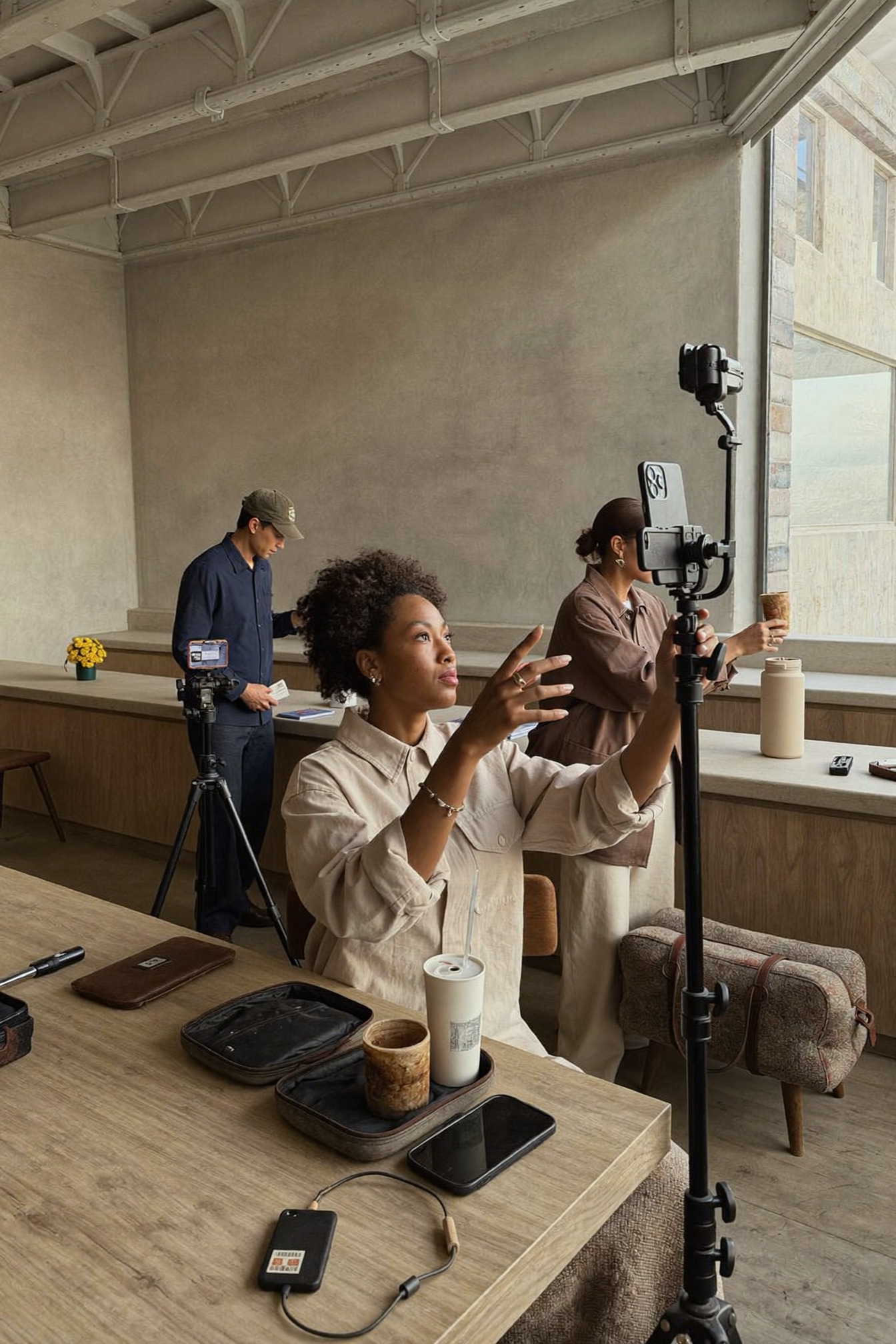
A social media marketing agency does six jobs: strategy, creative and production, channel management, paid social, creator partnerships, and reporting. The posts are the visible part. Much of the work happens before anything goes live.
If you are deciding whether to hire one, the useful question is what you would be paying for. Here is the work, and what you should receive for it.
Looking for a social media agency?
Social media and digital marketing for brands that mean business.
The six jobs
| Job | What it involves | What the client should receive |
|---|---|---|
| Strategy | Goals, audience, channels, themes | A written plan and a measurement framework |
| Creative and production | Ideas, scripts, shoots, editing | Finished content in the right formats |
| Channel management | Posting, community, replies | A consistent presence and a content calendar |
| Paid social | Targeting, budgets, testing | Media plan, campaigns with ongoing optimisation and reporting |
| Creator partnerships | Finding, briefing and managing creators | Creator content briefed for the channel and for paid use |
| Reporting and insight | Tracking, analysis, recommendations | Regular reports that discuss results, attribution and say what to do next |
Strategy
Strategy is the plan that decides what the agency will make and why. It covers the goal, who you are trying to reach, which channels to use and what themes to run. If an agency starts making content before it can tell you the goal, ask why.
Creative and production
Creative and production is where ideas turn into finished content: concepts, scripts, shoots and edits. It is the most visible job, and the one people assume is the whole thing. It also means making one idea work in different formats, because a vertical video for TikTok and a carousel for Instagram do different jobs.
Channel management
Channel management is the daily running of your social accounts: posting, replying, and looking after the community. It keeps a brand present between campaigns. Some clients hand this over fully, and others keep it in-house and use the agency for the rest. Agree which before you start.
Paid social
Paid social is advertising on social platforms, planned around audiences, budgets and testing. The agency sets up campaigns, watches what is working and moves budget towards it. The work does not end at launch. It should play hand in hand with your organic strategy.
Influencer partnerships
Influencer partnerships mean the agency finds influencers who suit the brand, briefs them, and manages the relationship through to delivery. A good brief leaves room for the influencer’s own voice. It should also say whether the content can be used in paid advertising, which is easier to agree at the start than afterwards.
Reporting and insight
Reporting and insight is tracking what happened and saying what to do about it. A report that only lists numbers is half the job. The useful half is the recommendation at the end.

A typical month
Every agency runs it a little differently, but the shape is usually similar.
When it comes to organic social planning, week one is planning. The team reviews last month's results, agrees themes and priorities, and confirms what needs your approval. Week two is production: scripts are signed off, shoots happen, creators deliver. Week three is publishing and paid activity going live, with the team replying to comments and watching early performance. Week four is review: what worked, what did not, and what changes next month. Then it starts again.
The posts you see come from weeks two and three. Weeks one and four are what decide whether they were the right posts.
What an agency does not do
An agency cannot guarantee that something goes viral. Nobody can. It can improve the odds by making content built for the platform and testing quickly.
It cannot replace a clear product. If people do not want what you sell, better content is unlikely to fix that.
It cannot work without you. Agencies need access to your product, your people, and a quick answer when something needs approving. The brands that get the most from an agency tend to be the ones that stay involved.

Agency, in-house team or freelancer
An in-house team knows your business best and is always there. A freelancer is flexible and suits a defined piece of work, like a set of videos or a short campaign. An agency brings a team with different skills, which helps when strategy, production, paid media and creators need to work together. The trade-off is that you are one client among several.
For a fuller answer, see the in-house versus agency FAQ in What Makes a Good Social Media Agency.
Types of agency
Social-first agencies build everything for the feed. Creative agencies lead with one big idea and production. Influencer agencies specialise in creators. Performance agencies focus on paid media. Many do a mix, but most lean one way, so ask which. For examples, see our list of the best social media agencies in the UK.
The first 90 days
Month one is onboarding. The agency learns your product, your audience and your goals, and agrees a plan with you. Month two is the first campaign: content goes live, paid activity starts, and the team learns from early results. Month three is the first proper review. You should come out of it knowing what is working, what is being changed and what comes next.
How do you know it's working?
Agree the outcomes before work begins. Choose measures that match your goal, and agree how often you will look at them. For what counts as a real result, read our guide to what proven results mean from a social media agency.
FAQs
What does a social media agency do day to day?
A social media agency spends its days strategising, ideating, making and running content, and checking how it performs. That means briefing creators, editing video, managing paid campaigns, replying to comments and preparing reports. The posts you see are a small part of that time.
Will an agency create all the content?
Most agencies create the bulk of it, but not always all of it. They may use creators, and they usually need material from you, like product access or behind-the-scenes footage. Agree who makes what at the start.
Will an agency manage my accounts, or just advise?
It depends on the agreement. Some agencies run your accounts day to day. Others advise and produce content while your team posts. Both are common, so ask which one you are buying.
What is the difference between a social media agency and a freelancer?
An agency is a team with several skills working together, while a freelancer is one person with one or two. A freelancer can suit a defined task. An agency suits work where strategy, production, paid media and reporting need to connect.
How involved do I need to be?
Expect to give regular input: briefs, approvals and quick answers. The more access the agency has to your product and your people, the better the work tends to be.
Should I use a social media agency?
Usually yes, if you need strategy, production and paid media to work together and do not have those skills in-house. If you only need a single, defined piece of work, such as a set of videos, a freelancer may fit better. If your team already covers most of it, you may only need help with one part, such as paid social. Whichever you choose, you will get more from an agency if you have a clear goal and can give quick input and approvals.
Ready to compare agencies?
Read What Makes a Good Social Media Agency for the questions to ask, or see our list of the best social media agencies in the UK.
Ready to make noise?
We're the agency challenger brands call when growth is non-negotiable.